
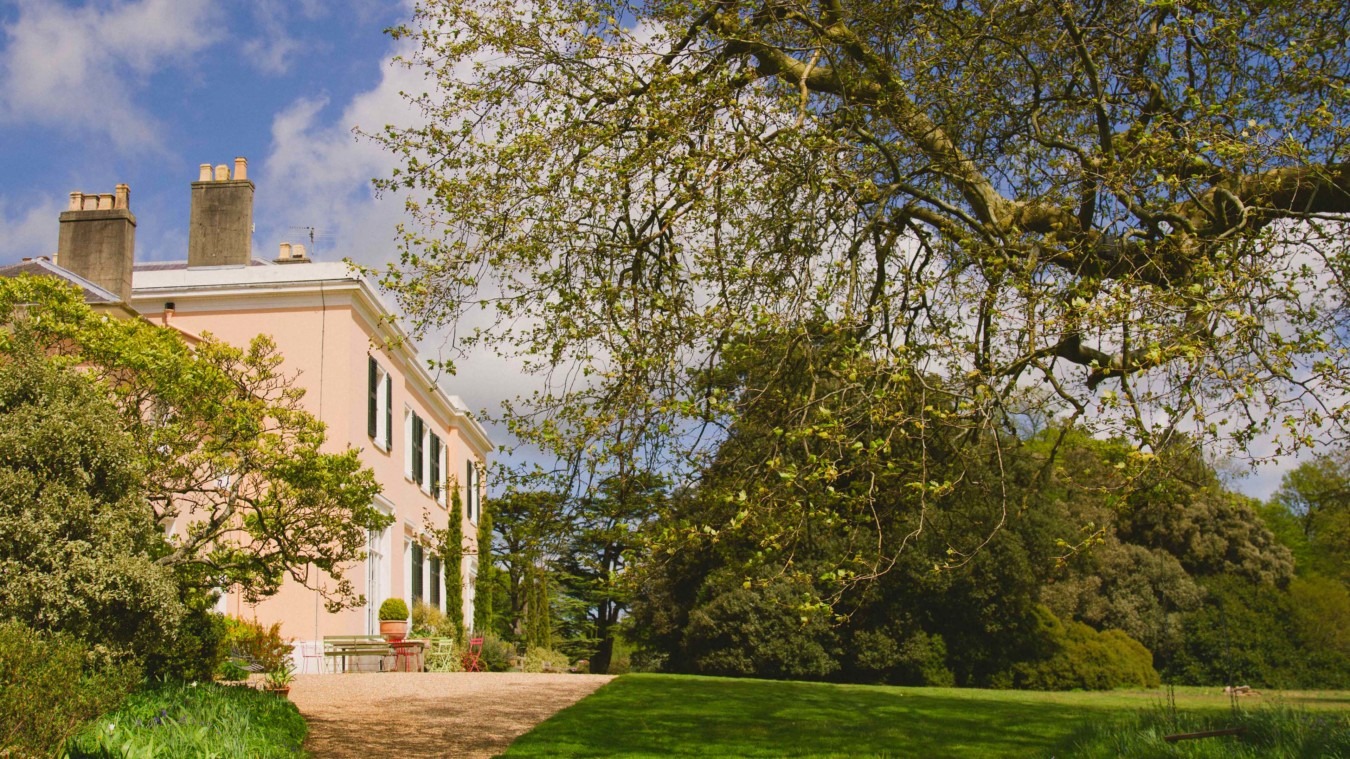
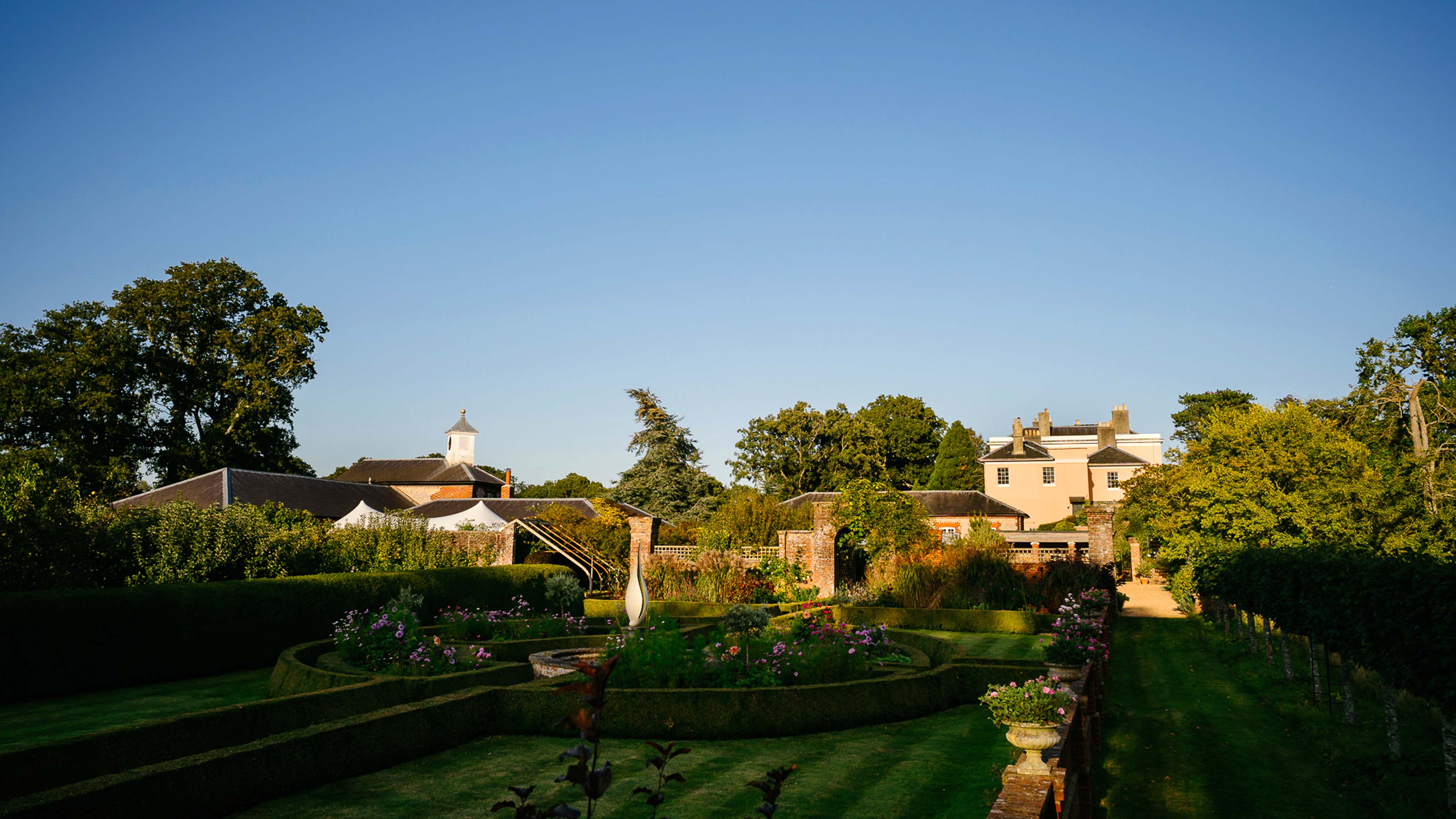
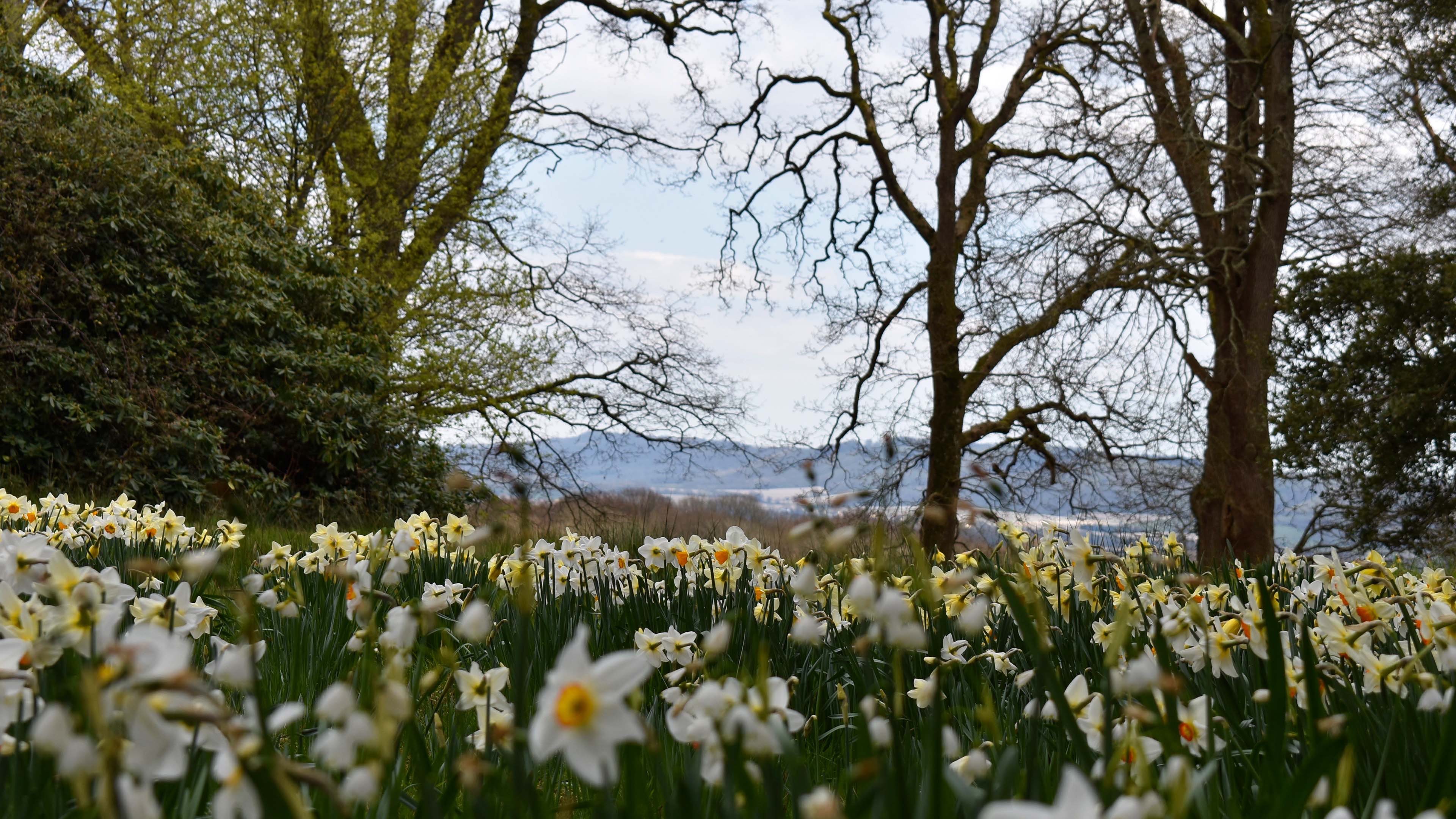
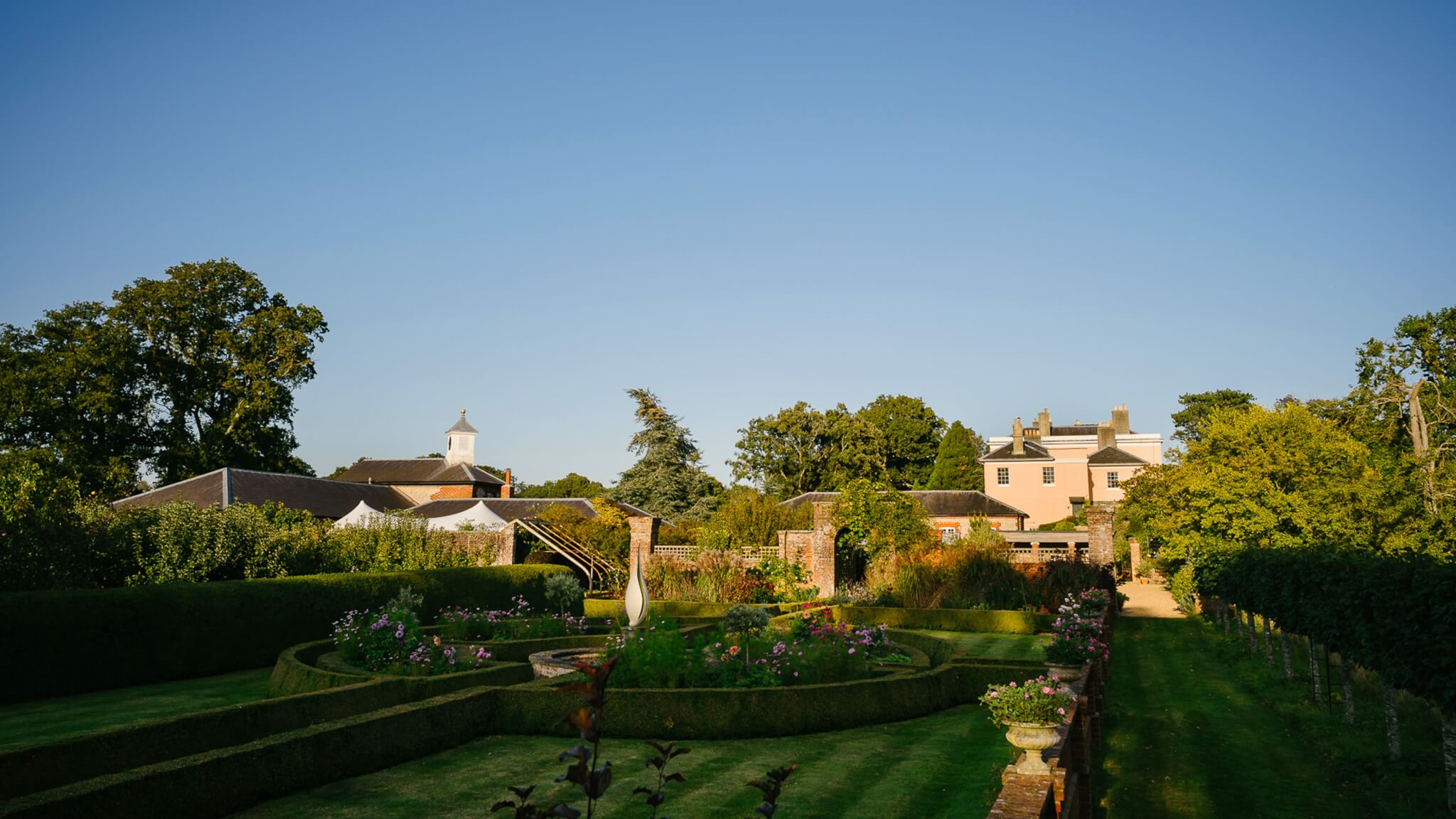
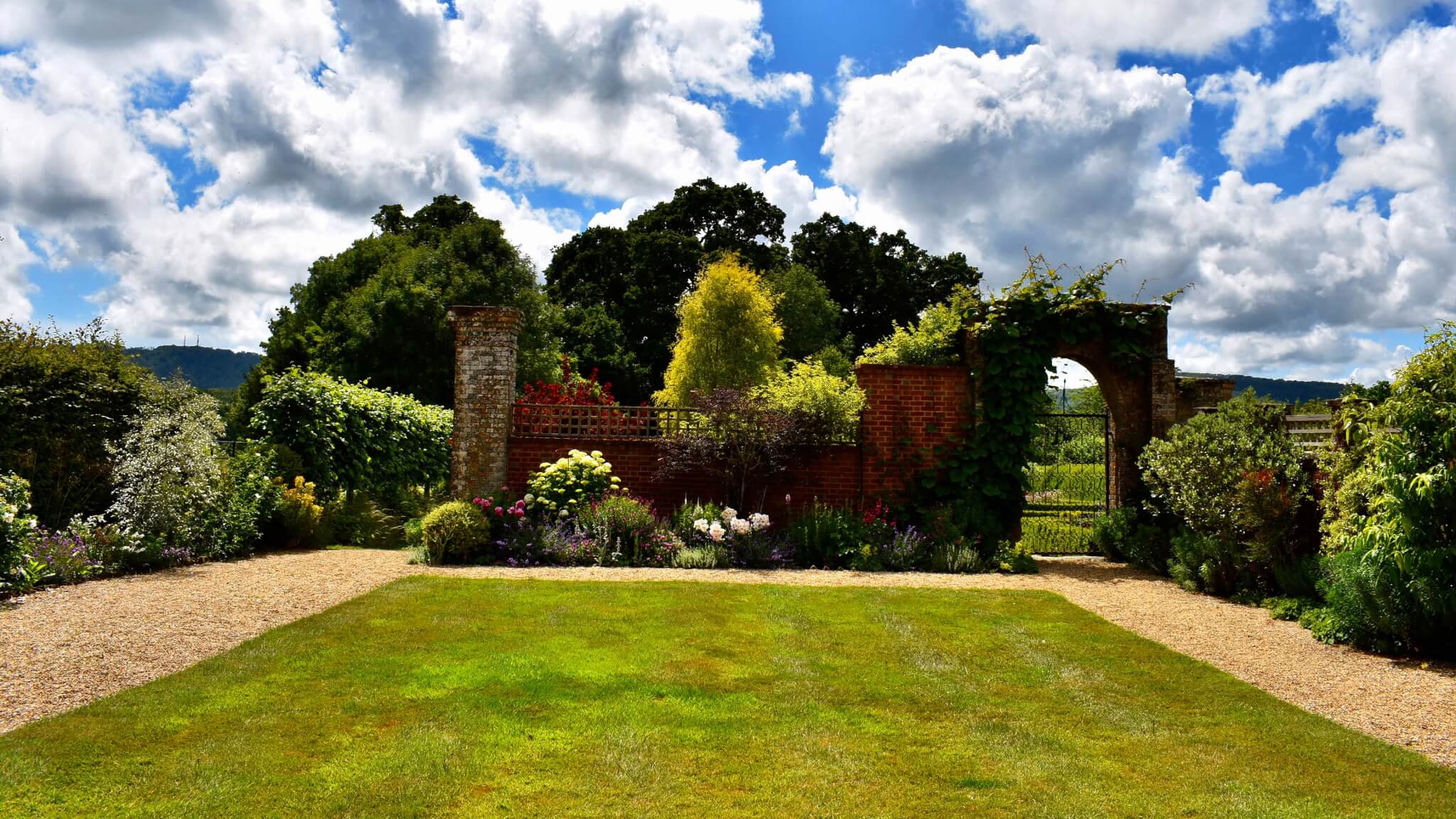
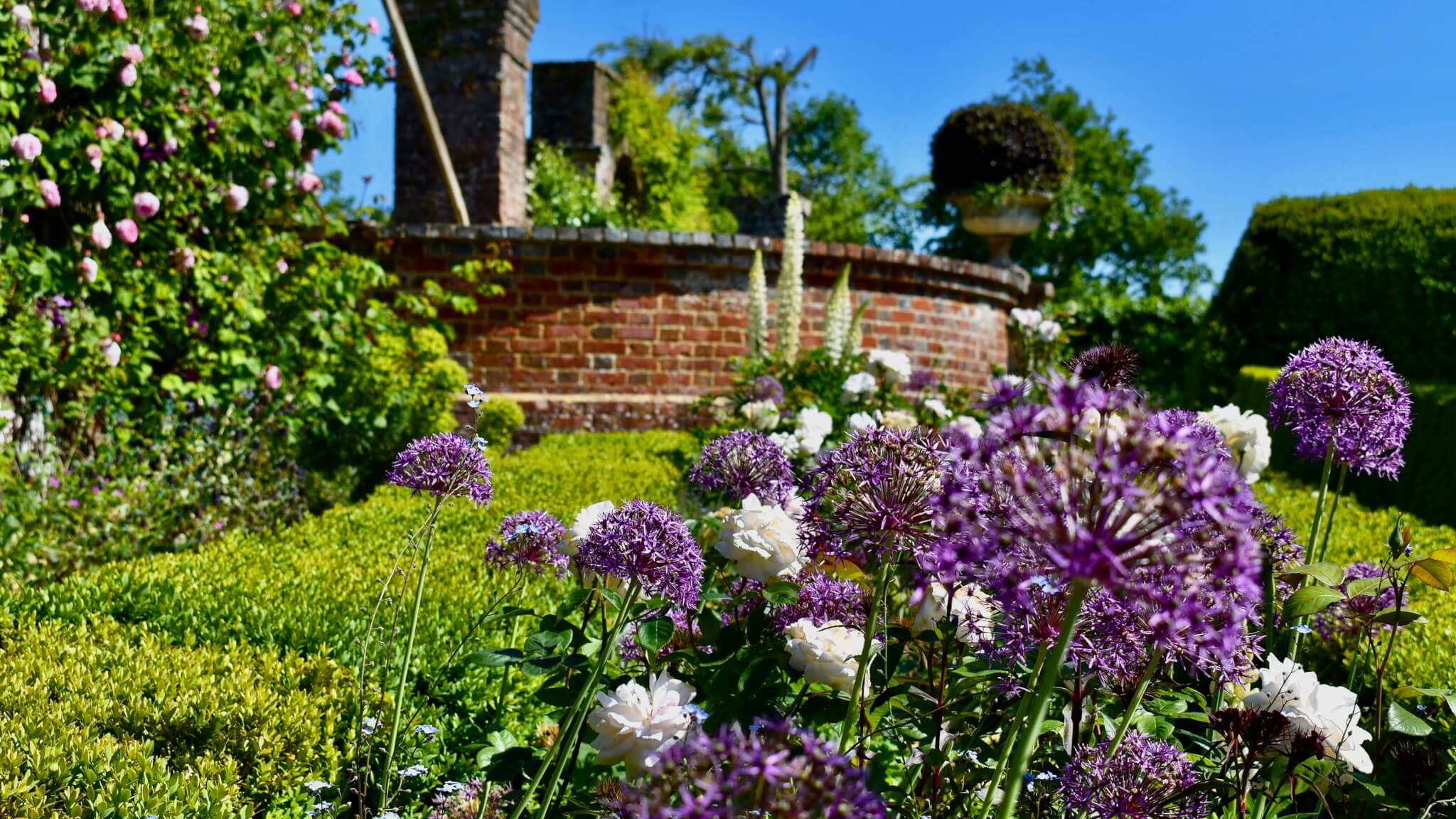
The Mersey family at Bignor Park is committed to conservation and sustainable land management in West Sussex, with a long-standing focus on protecting the natural environment and encouraging wildlife across the estate.
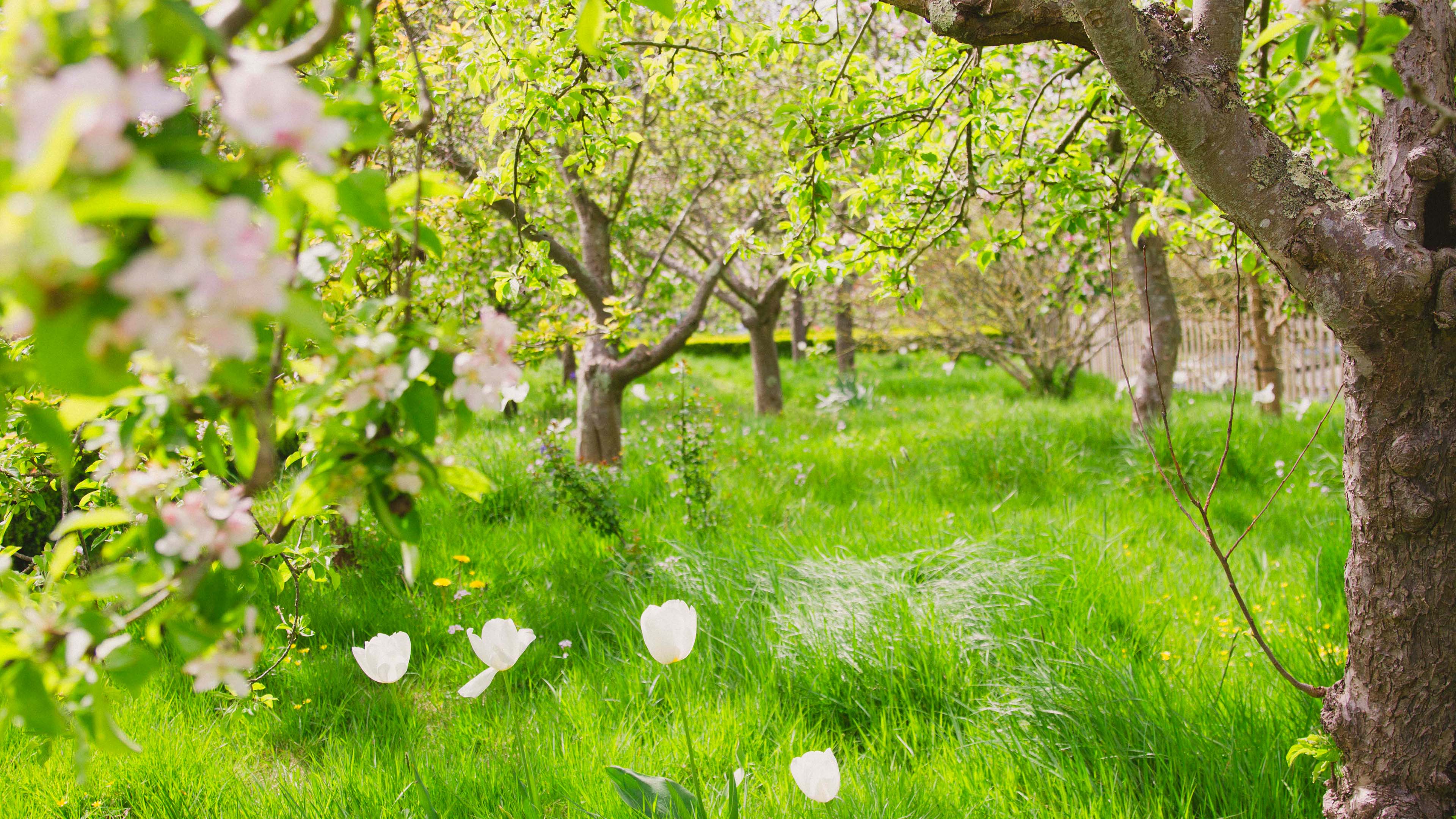
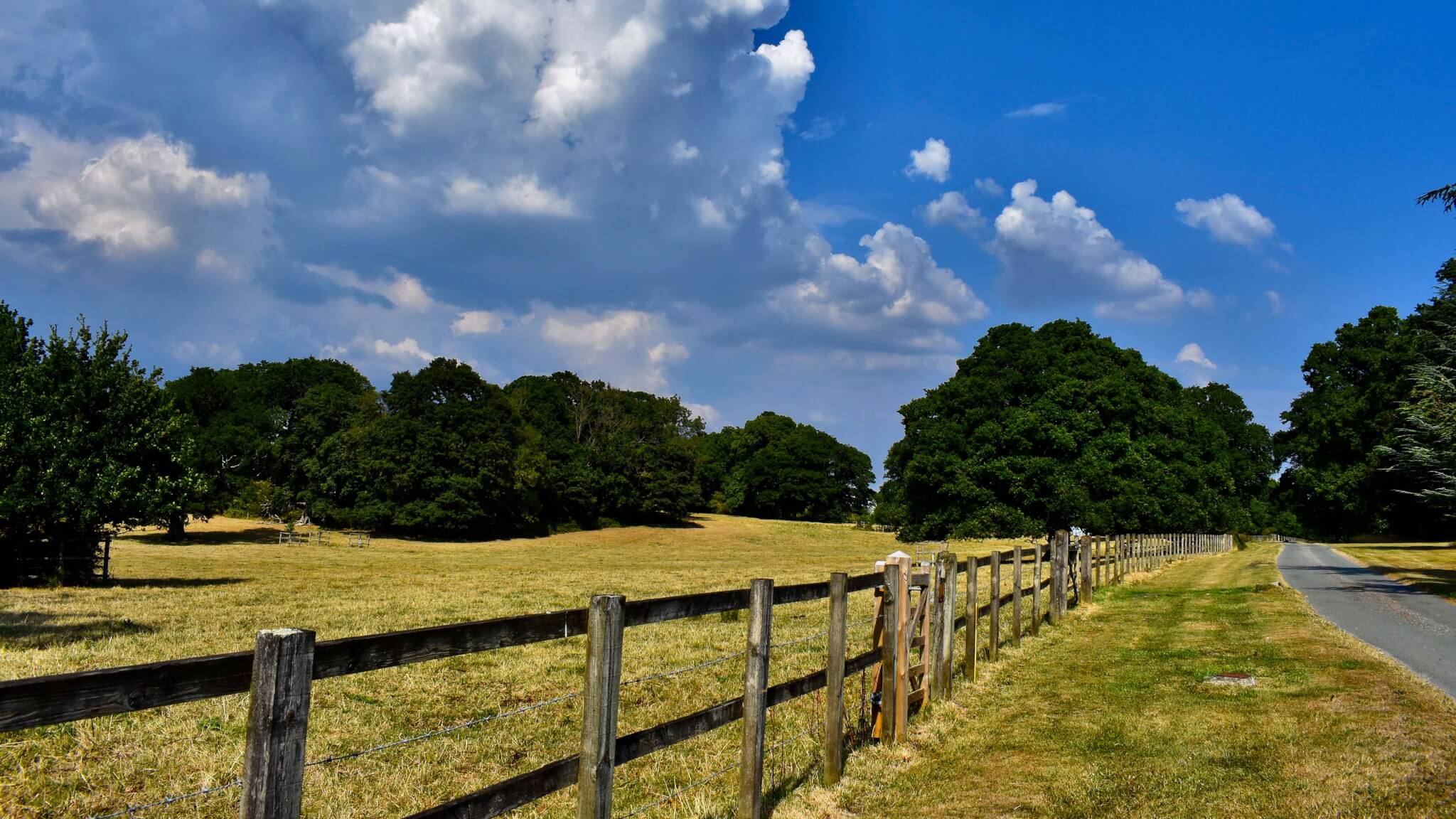
Over 900 acres of farmland and woodland have been converted to organic management, alongside the planting of four miles of new hedgerows to support biodiversity. These efforts have been recognised with awards including the Woodpecker Trophy for Conservation.
Conservation work continues across the estate, with ongoing projects designed to enhance habitats and preserve the landscape of the South Downs for future generations.
Ned & Clare Mersey
With support from Natural England, the South Downs National Park Authority and Sussex Wildlife Trust, Bignor Park has restored over 200 acres of heathland and acid grassland in West Sussex. This landscape, once widespread across England, has significantly declined, making its restoration an important contribution to biodiversity.
The land is now managed through organic grazing with cattle and sheep, creating habitats for a wide range of species including ground-nesting birds, woodlarks, stonechats and Dartford warblers. Insect populations have also flourished, with species such as digger wasps, tiger beetles and the silver-studded blue butterfly, alongside native flora including heather. The estate is now home to over a quarter of the UK population of Gryllus campestris, the rare European field cricket.
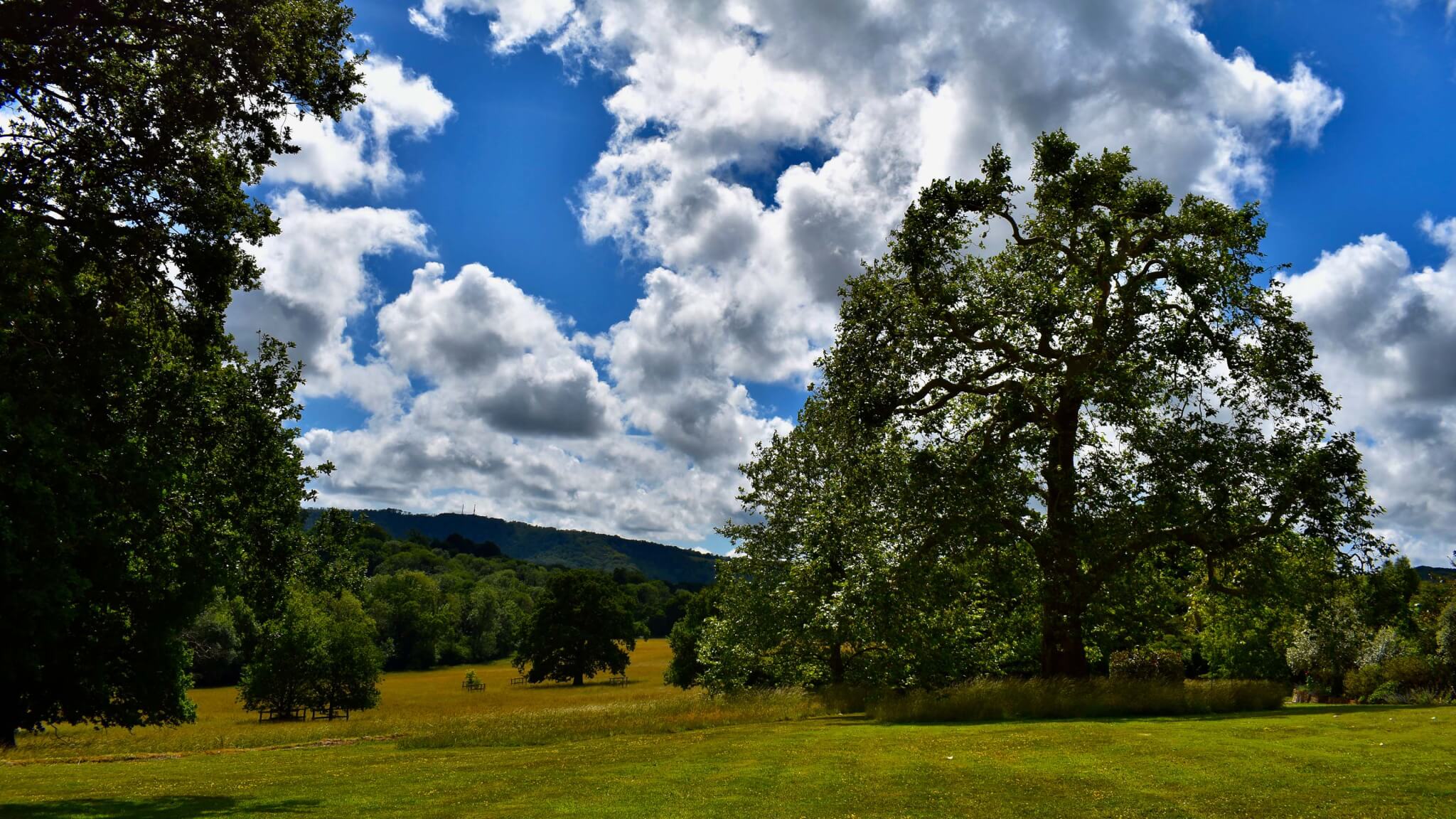
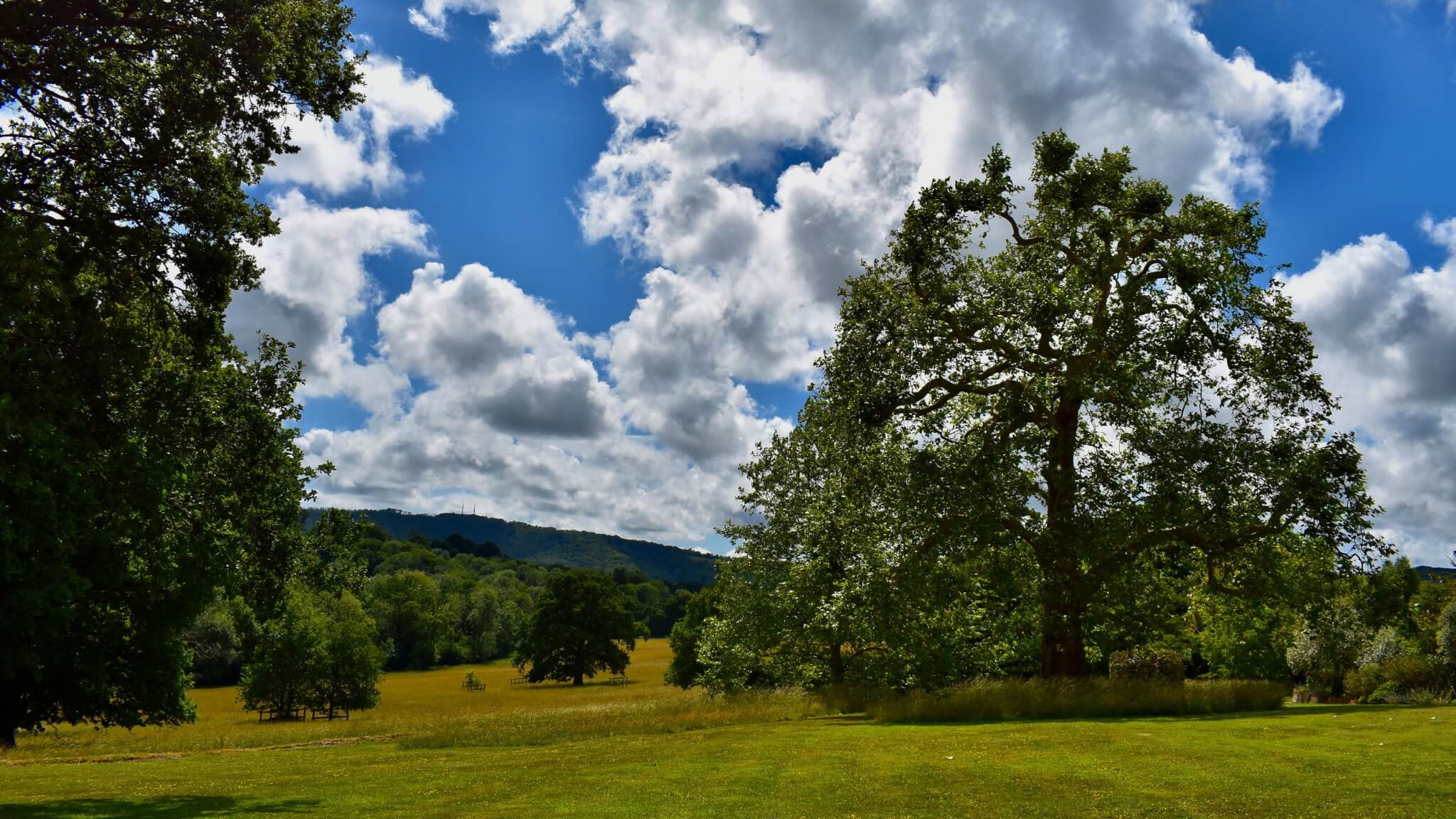
A major parkland restoration project has been undertaken following a plan developed by Dr Phillip Masters of ACTA, whose work includes the management plan for the Avebury World Heritage Site.
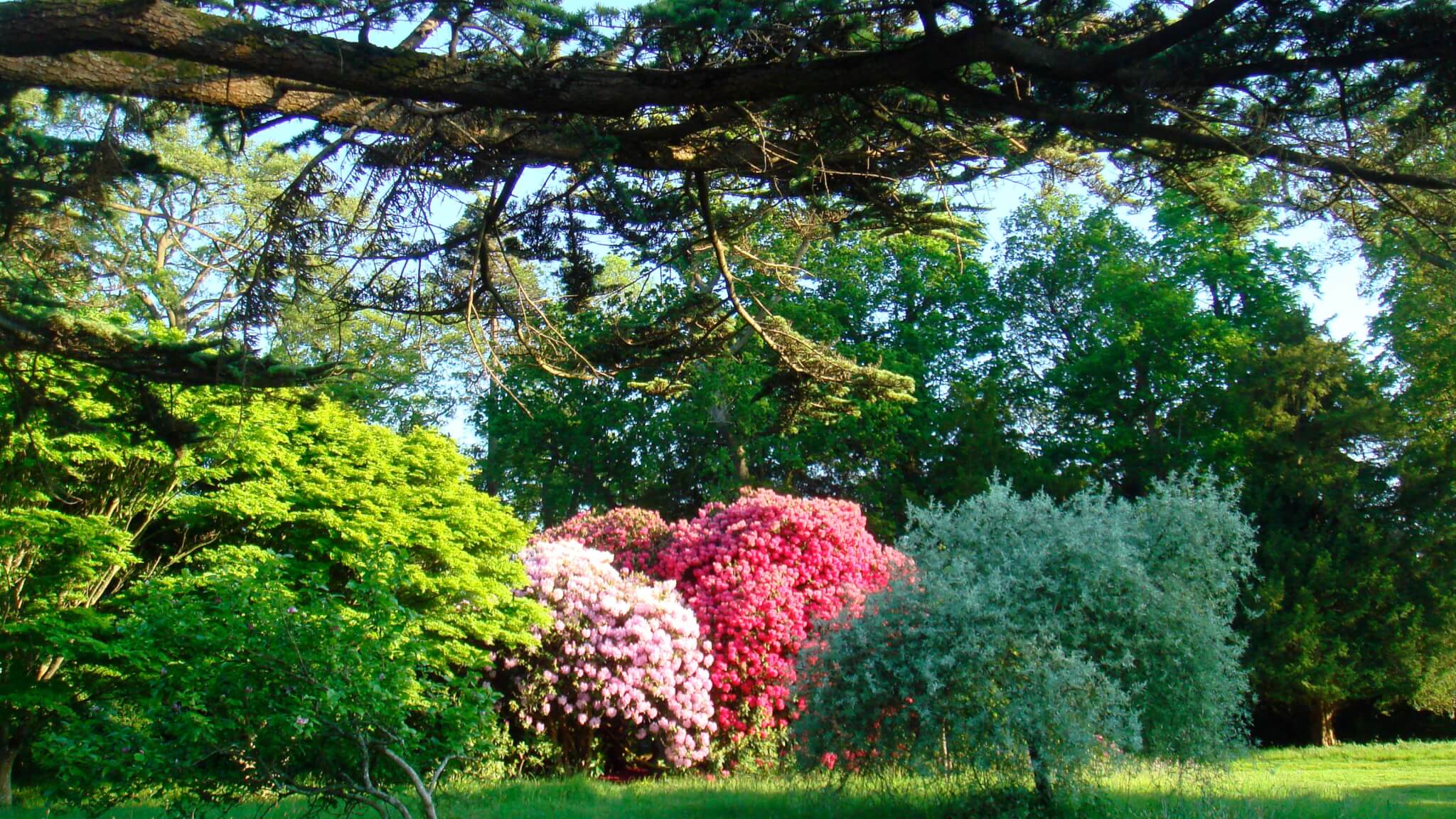
The estate lake has been desilted and reshaped to encourage aquatic life, while woodland areas and parkland have been enhanced through active management. More than 150 new parkland trees have been planted, and traditional chestnut coppicing is being encouraged as part of a long-term forestry programme, supported by the Forestry Commission.
Chalk Stream Restoration
With assistance from the Farming in Protected Landscapes programme, a rare chalk stream below the house has been restored. The site supports an exceptional range of mosses and liverworts, making it one of the most important bryophyte habitats in Sussex.
Carbon & Sustainability
A carbon audit carried out by Laurence Gould Partnership confirmed that Bignor Park Estate has a positive carbon footprint, sequestering approximately 1,300 tonnes of CO₂e each year. This offsets the equivalent emissions of around 192 UK residents or 660 cars annually.
Ongoing & Future Projects
Ongoing conservation work includes the creation of wetland habitats for species such as lapwing, through the development of scrapes and seasonal water areas. Flower-rich meadow restoration is also underway, supported by the RSPB and Sussex Wildlife Trust, further enhancing biodiversity across the estate.

Natural England
http://www.naturalengland.org.uk/
South Downs National Park
http://www.southdowns.gov.uk/
Sussex Wildlife Trust
http://www.sussexwt.org.uk
Forestry Commission
http://www.forestry.gov.uk/